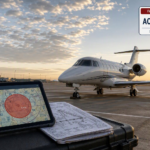

ADM Aviation: Aeronautical Decision Making for Part 135 & 91
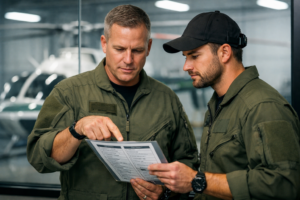
In-Flight Safety » Page 2 ADM Aviation: How Part 135 and Part 91 Pilots Use Aeronautical Decision Making to Reduce Risk When was the last time you made a decision not to fly? The FAA

In-Flight Safety » Page 2 ADM Aviation: How Part 135 and Part 91 Pilots Use Aeronautical Decision Making to Reduce Risk When was the last time you made a decision not to fly? The FAA

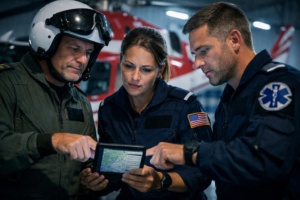
In-Flight Safety » Page 2 Emergency Landing Procedures Every Part 135 and Part 91 Pilot Should Know Introduction: Why Emergency Landing Mastery Saves Lives Approximately 20% of all general aviation accidents involve forced landings or

In-Flight Safety » Page 2 Corporate Aviation Security Training: What Part 91 Flight Departments Should Cover Why Part 91 Flight Departments Can’t Afford to Ignore Security Training Only 35% of Part 91 corporate flight departments

In-Flight Safety » Page 2 How Part 135 and Part 91 Pilots Improve Situational Awareness in the Cockpit Why Situational Awareness in Aviation Remains the Most Critical Safety Factor Approximately 80% of aviation accidents involve

In-Flight Safety » Page 2 VMC vs IMC: A Real-World Guide for Charter and Corporate Pilots What VMC Means in Aviation — And Why the Definition Matters More Than You Think A Part 135 charter

In-Flight Safety » Page 2 Aviation Hazmat Training: Will-Not-Carry and Will-Carry Programs Explained Aviation hazmat training is a regulatory obligation that catches many operators off guard. If your operation has a Will-Not-Carry policy, does that

In-Flight Safety » Page 2 Night Vision Goggle Online Training for Pilots: Night Operations, Human Factors, and Safety Risks Generation 3 night vision goggles can amplify starlight into a usable image through advanced photocathode and

In-Flight Safety » Page 2Accelerated Slipstream, The Force that Shapes Takeoff, Climb, and Control When pilots think about propellers, they usually think in terms of thrust — air being pushed backward to move the airplane

In-Flight Safety » Page 2Accelerated Slipstream When One Engine Changes Everything In multi-engine airplanes, accelerated slipstream is no longer just a helpful byproduct of the propellers — it becomes a dominant asymmetric force whenever the

In-Flight Safety » Page 2Density Altitude and Useful Load, When Performance Margins Disappear On paper, useful load tells you what you’re allowed to carry. In the real world, density altitude decides whether the airplane can actually perform while carrying it. Density altitude is pressure altitude

In-Flight Safety » Page 2 ADM Aviation: How Part 135 and Part 91 Pilots Use Aeronautical Decision Making to Reduce Risk When was the last time you made a decision not to fly? The FAA

In-Flight Safety » Page 2 Emergency Landing Procedures Every Part 135 and Part 91 Pilot Should Know Introduction: Why Emergency Landing Mastery Saves Lives Approximately 20% of all general aviation accidents involve forced landings or

In-Flight Safety » Page 2 Corporate Aviation Security Training: What Part 91 Flight Departments Should Cover Why Part 91 Flight Departments Can’t Afford to Ignore Security Training Only 35% of Part 91 corporate flight departments

In-Flight Safety » Page 2 How Part 135 and Part 91 Pilots Improve Situational Awareness in the Cockpit Why Situational Awareness in Aviation Remains the Most Critical Safety Factor Approximately 80% of aviation accidents involve

In-Flight Safety » Page 2 VMC vs IMC: A Real-World Guide for Charter and Corporate Pilots What VMC Means in Aviation — And Why the Definition Matters More Than You Think A Part 135 charter

In-Flight Safety » Page 2 Aviation Hazmat Training: Will-Not-Carry and Will-Carry Programs Explained Aviation hazmat training is a regulatory obligation that catches many operators off guard. If your operation has a Will-Not-Carry policy, does that

In-Flight Safety » Page 2 Night Vision Goggle Online Training for Pilots: Night Operations, Human Factors, and Safety Risks Generation 3 night vision goggles can amplify starlight into a usable image through advanced photocathode and

In-Flight Safety » Page 2Accelerated Slipstream, The Force that Shapes Takeoff, Climb, and Control When pilots think about propellers, they usually think in terms of thrust — air being pushed backward to move the airplane

In-Flight Safety » Page 2Accelerated Slipstream When One Engine Changes Everything In multi-engine airplanes, accelerated slipstream is no longer just a helpful byproduct of the propellers — it becomes a dominant asymmetric force whenever the

In-Flight Safety » Page 2Density Altitude and Useful Load, When Performance Margins Disappear On paper, useful load tells you what you’re allowed to carry. In the real world, density altitude decides whether the airplane can actually perform while carrying it. Density altitude is pressure altitude